
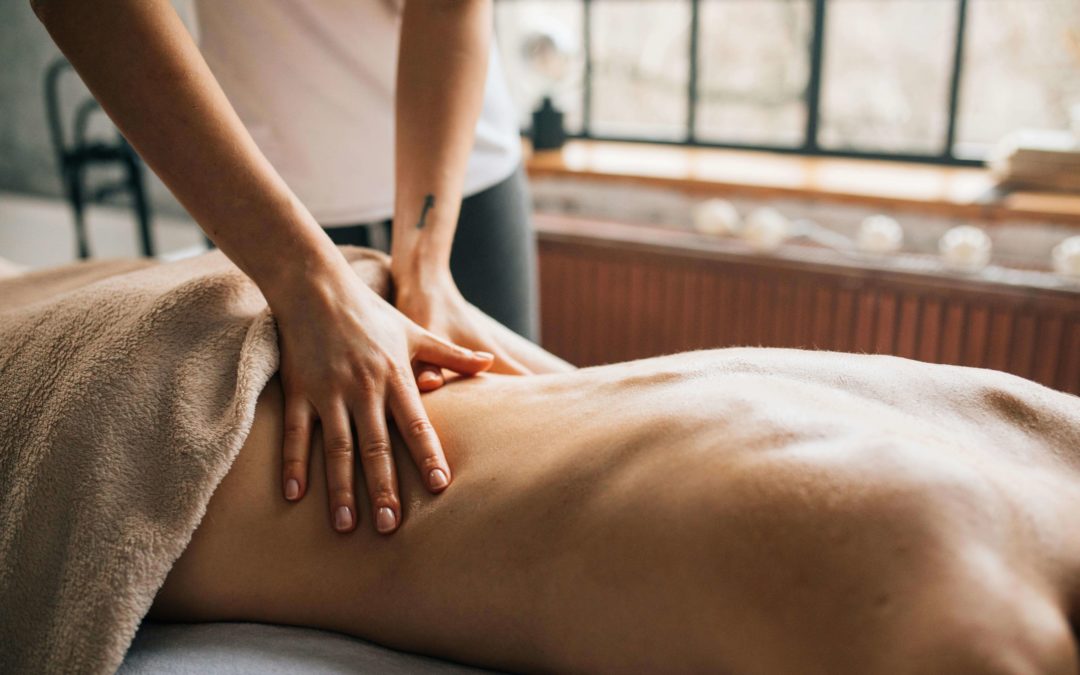
To begin our exploration into the realm of modern bodywork, we must first understand that what is a Swedish massage represents more than just a sequence of physical movements; it is a foundational pillar of Western somatic healing. Often considered the quintessential “”classic massage,”” it serves as a bridge for many as they transition from the stressors of external life into a more conscious relationship with their physical vessel. At its core, this modality is an invitation to inhabit your body more fully through a rhythmic architecture of pressure, vibration, and flow.
While many seek this treatment for simple relaxation, we view it as a sophisticated sensory awakening that prepares the nervous system for deeper energetic alignment. By engaging the soft tissues with purposeful intent, the practitioner facilitates a dialogue between the skin and the soul, encouraging a profound state of receptivity. Whether you are a novice or a seasoned seeker, understanding the nuances of this practice allows you to appreciate the subtle art of therapeutic touch as a gateway to transcendence.
Key Takeaways
- Systemic Relaxation: Utilizing five specific strokes to induce a parasympathetic state.
- Somatic Healing: Aiding in the release of muscular tension and stored emotional stagnation.
- Circulatory Support: Enhancing the flow of oxygenated blood toward the heart.
- Foundation for Tantra: Often acting as a preliminary step toward Tantric healing by grounding the physical form.
- Bespoke Pressure: Highly adaptable intensity ranging from gentle feathers to deep structural relief.
- Holistic Integration: Aligning the mind, body, and breath through continuous, flowing contact.
A Formal Definition
What is a Swedish massage? It is a holistic therapeutic modality involving the systematic application of pressure, friction, and manipulation to the soft tissues of the body. Primarily designed to increase oxygen flow in the blood and release toxins from the muscles, it utilizes five distinctive strokes—effleurage, petrissage, tapotement, friction, and vibration—to harmonise the physical and mental state.
| Technique | Somatic Intent | Sensory Experience |
|---|---|---|
| Effleurage | Warm-up & Fluid Connection | Long, sweeping, ethereal glides |
| Petrissage | Deep Muscular Kneading | Firm, rhythmic, grounding compression |
| Tapotement | Rhythmic Stimulus | Invigorating, percussive percussion |
| Friction | Internal Heat Generation | Focused, warming, circular pressure |
| Vibration | Neuro-Somatic Release | Rapid, shaking, energetic dispersal |
The Origins and Philosophy of Classical Bodywork
The lineage of this modality is often attributed to Pehr Henrik Ling, a Swedish physiologist of the early 19th century, though his work was deeply intertwined with the ancient understanding of the body as a holistic system. We view this history not merely as a progression of medical science, but as an evolution of conscious touch that respects the delicate interplay between physical health and spiritual equilibrium. Ling’s “”Gymnastic”” system sought to restore balance through movement, a principle that remains at the heart of the practice today.
In the contemporary landscape, Swedish massage has evolved into a sophisticated dance of intuition and anatomy. When you ask what is a Swedish massage in the context of a high-end wellness sanctuary, you are inquiring about a session that prioritises your unique energetic needs. It is rarely a “”one-size-fits-all”” experience; rather, it is a curated journey where the practitioner’s hands act as extensions of a compassionate, non-judgmental presence.
Through this work, we facilitate an environment where the “”armour”” of the ego can begin to soften, allowing for a genuine sensory awakening.
While many contemporary spas offer a clinical approach, we believe that the true essence of this work lies in its ability to foster energetic alignment. By addressing the physical fascia and musculature, we are simultaneously clearing the pathways for your vital life force to flow. This makes it an excellent complementary practice for those exploring Tantra Yoga, as it prepares the vessel to contain and direct greater levels of internal energy.
The Architectural Strokes of Relaxation
The beauty of this modality lies in its rhythmic structure. Each movement is a distinct note in a symphony of healing. Effleurage is perhaps the most recognisable element, consisting of gliding strokes that span the length of the body. These strokes serve to quiet the mind and introduce the client to the practitioner’s presence, establishing a safe and sacred container for the vulnerability that follows.
Petrissage involves the kneading and lifting of muscles, a deeper dive into the somatic layers where tension often resides. Here, we encounter the physical echoes of stress—the knots and tight bands that reflect our daily burdens. Through conscious touch, these areas are not merely manipulated but invited to let go, facilitating an emotional release that can be as profound as the physical relief.
Finally, the more vigorous techniques like Tapotement and Vibration act as stimulants for the nervous system, waking up the dormant pathways of the body. This is particularly beneficial for those experiencing a sense of stagnation or lethargy. It serves to refresh the spirit, ensuring that after the deep relaxation of the previous strokes, you emerge from the session feeling both grounded and revitalised.
The Somatic and Energetic Benefits
When considering what is a Swedish massage, one must look beyond the immediate bliss to the lasting physiological and psychological transformations. The primary goal is to return the person to a state of homeostasis, where the “”fight or flight”” response is replaced by the “”rest and digest”” parasympathetic mode. This transition is essential for true healing, as it is only in this state of peace that the body can repair its cells and the mind can integrate complex emotions.
The circulatory benefits are particularly noteworthy. By directing strokes toward the heart, the practitioner assists the venous return of blood, which in turn boosts the delivery of oxygen and nutrients to vital organs. This systemic flushing of the tissues is why many find relief from chronic conditions, such as those discussed in our guide on IBD and Tantra, where physical inflammation is often mirrored by emotional inflammation.
Physical and Psychological Harmony
- Reduced Cortisol Levels: Directly lowering the hormones associated with chronic stress and anxiety.
- Increased Serotonin and Dopamine: Encouraging a naturally heightened state of joy and well-being.
- Extensional Flexibility: Lengthening the muscle fibres and improving the range of motion in the joints.
- Immune Boost: Stimulating the lymphatic system to improve the body’s natural defensive capabilities.
- Deep Sleep Induction: Calming the nervous system to promote restorative nocturnal cycles.
From a psychological perspective, being the recipient of conscious touch provides a rare opportunity for profound non-judgmental witnessing. In a world where we are often touched for utility or in a hurried manner, the slow, mindful pace of a professional session offers a sense of being seen and held. This emotional safety is the bedrock upon which self-discovery is built, frequently acting as a pre-requisite for more focused intimacy work like a Lingam Massage.
For individuals navigating the complexities of modern intimacy, this modality serves as a gentle re-introduction to the body. It allows you to explore sensation without the pressure of performance or expectation. By asking what is a Swedish massage, you are essentially asking how you can begin the journey of reclaiming your physical sovereignty in a professional, sacred environment.
What to Expect: Your Journey Into Stillness
Entering a session should feel like crossing a threshold into another realm—a place where time slows and your only responsibility is to breathe. Usually, the environment is carefully curated with ambient lighting, delicate scents, and a warmth that invites you to shed your outer layers. We encourage you to approach each session with a sense of curiosity and openness, viewing it as a ritual of self-love rather than a mere appointment.
Communication is the thread that weaves the experience together. A practitioner of high-end somatic arts will always begin with a consultation to understand your boundaries, your physical history, and your intentions for the session. Whether you seek to release a specific blockage or simply wish to drift into deep meditation, your guide will tailor the pressure and flow to honour your request.
A Step-by-Step Evolution of the Session
- Centering: A moment of shared presence and breath to align the practitioner and recipient.
- Invitation: The first contact, usually through light effleurage, to warm the skin and nervous system.
- Exploration: Using petrissage and friction to identify and address areas of somatic tension.
- Flow: Connective strokes that bridge different parts of the body, creating a sense of wholeness.
- Completion: A grounding conclusion to slowly bring your awareness back to the present moment.
One of the most common questions regarding what is a Swedish massage pertains to the level of undress. Professional standards and your personal comfort are always the priority. Most recipients choose to disrobe to their comfort level, often remaining beneath a soft sheet or towel, which is then skillfully draped to ensure only the area being worked on is exposed. This maintaining of boundaries is what creates the “”sacred container,”” allowing you to fully surrender to the wisdom of the touch.
The oils used during the session are also a critical component of the experience. Unlike more clinical settings, we prefer high-vibrational, organic oils that nourish the skin as well as the spirit. For those interested in the sensory details of the lubricants used in various modalities, our Massage Oils List provides a deeper dive into the properties of different carrier and essential oils.
Swedish Massage vs. Complementary Modalities
As you delve deeper into the world of bodywork, you will likely encounter other styles that seem similar but offer different energetic outcomes. Swedish massage is often distinguished by its focus on the muscular-skeletal system and general relaxation. In contrast, practices such as Tantric Healing go beyond the physical tissue to address the subtle energy bodies and the movement of kundalini.
However, the two are not mutually exclusive. In many ways, the classic techniques provide the necessary grounding for more advanced energy work. If your body is rigid and your mind is racing, it is difficult to engage in the sensory awakening required for neo-tantric practices. Thus, starting with a classic session can be a wise strategic choice for those seeking a gradual ascent into higher states of consciousness.
A Comparative Perspective
| Feature | Swedish Massage | Tantric Massage |
|---|---|---|
| Primary Focus | Muscular relaxation & Circulation | Energy flow & Spiritual connection |
| Technique Range | Five classic Western strokes | Conscious touch, breathwork, energy clearing |
| Intention | Somatic relief and stress reduction | Emotional release and transcendence |
| Clothing | Standard professional draping | Variable, often involves body-to-body contact |
Choosing between these modalities depends entirely on your current state of being. If you find yourself overstimulated by the “”noise”” of the world, the structured and predictable nature of a classical session may be exactly what you need to feel safe. On the other hand, if you are looking to explore the deeper mysteries of your heart and intimacy, you might find Choosing The Right Karma Tantric Massage Experience leads you toward a more expansive path.
Advanced Insights: The Bio-Electrical Body
At a more advanced level of understanding what is a Swedish massage, we recognise the body as a bio-electrical field. Every stroke of the practitioner’s hand not only moves lymph and blood but also shifts the electrical charge across the fascia. This is why you may sometimes experience an unexpected “”shiver”” or a sudden emotional flush during a session—it is the sound of your body recalibrating its energetic frequencies.
The rhythmic nature of the strokes acts as a form of entrainment. Just as two metronomes will eventually tick in unison, your heart rate and brain waves begin to match the intentional, steady pace of the practitioner. This leads to what we call “”oceanic consciousness,”” a state where the boundaries between self and the environment begin to feel less rigid. In this space, profound somatic healing occurs, uncovering a resilience you may have forgotten you possessed.
Furthermore, this modality is an excellent entry point for those dealing with specific intimacy challenges. By learning to receive pleasure and care in a non-sexual, professional context, you are training your nervous system to be comfortable with closeness. This is a vital skill for anyone interested in the nuances of Tantra and Tantric Sex, as it builds the prerequisite capacity for presence and vulnerability.
Frequently Asked Questions
Is Swedish massage better than Deep Tissue?
Neither is “”better”” in an absolute sense; they serve different purposes. Swedish massage is focused on global relaxation and circulatory health using longer, broader strokes. Deep tissue, while perhaps more intense, targets the deeper layers of connective tissue and is generally more focused on specific areas of chronic tension. If you are looking for an ethereal experience of relaxation, Swedish is the preferred choice.
How often should I receive a session?
To maintain a state of energetic alignment and physical suppleness, we recommend a session once every two to four weeks. This frequency allows the therapeutic benefits to accumulate, preventing the build-up of chronic stress and ensuring your body remains a clear channel for your vital life force. Consistency is key to long-term somatic healing.
Can this help with emotional trauma?
While a massage therapist is not a psychotherapist, the body holds the memory of all our experiences. The gentle, consistent nature of this work can provide a safe space for the body to “”un-learn”” its defensive bracing. By releasing the physical tension associated with trauma, many find they have more space to process their emotions in other areas of their lives.
What if I fall asleep?
Falling asleep is a profound compliment to the practitioner; it indicates that your nervous system feels entirely safe in the environment we have co-created. It is a sign of deep trust and surrender. You will still receive all the physiological benefits, and your subconscious mind will continue to absorb the nuances of the conscious touch.
Is it normal to feel sore the next day?
A mild “”afterglow”” or slight muscular tenderness is common, particularly if you have been holding significant tension. It is similar to the feeling after a yoga class—a sign that the body is reorganising itself. We encourage you to hydrate well with pure water to assist in the flushing of metabolic byproducts released during the session.
Can this modality lead to higher sexual awareness?
Absolutely. By increasing the blood flow to the pelvic region and legs and by calming the over-active mind, you are far more likely to experience your own sexuality as a sacred and vibrant force. It serves as a gentle precursor to more specialized journeys, such as those described in our Yoni Massage Guide or Lingam Massage Guide.
Ultimately, when you seek to understand what is a Swedish massage, you are standing at the doorway of a vast interior world. It is an invitation to put down the armour of the day and remember the truth of your own being: that you are a multifaceted soul inhabiting a magnificent, sensitive vessel. We invite you to view every session as a polished invitation to transcendence, a moment where the professional and the poetic meet to guide you back home to yourself.


 KARMA TWEETS
WHAT’S BEING SAID
Lovely Yasmin, it is great to hear from you. I hope to...
It is lovely to read a personal message and to know you...
It is so wonderful to hear all your lovely comments and messages...
This is excellent, thank you! It is nice to see the red...
Hello there Jay. I completely understand the difficulty in navigating the different...